
How Does an AED Work? A Practical Guide to Saving Lives
2025 Sep 29th
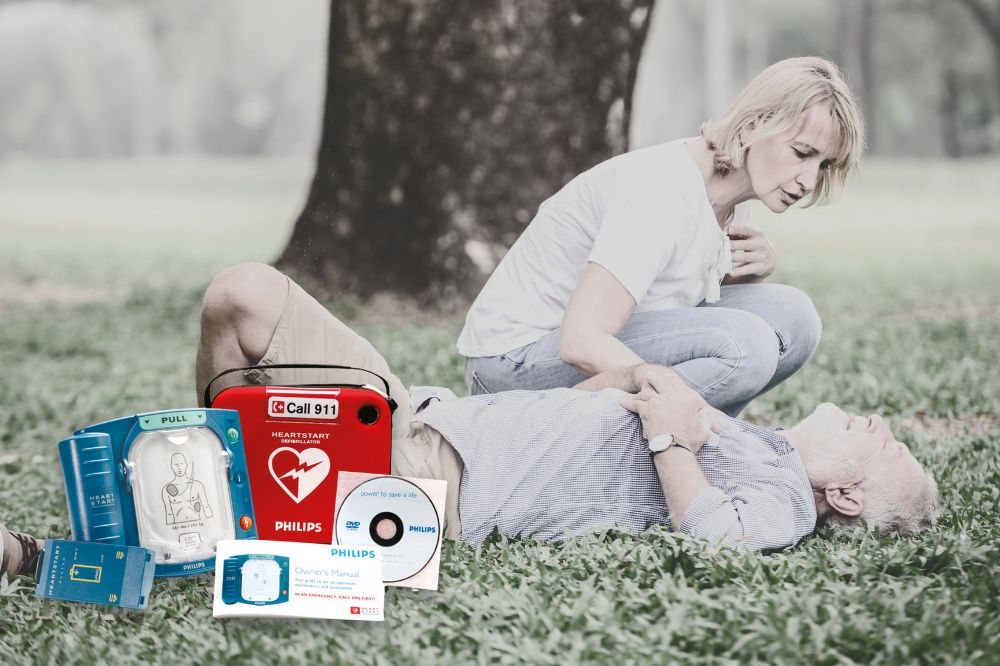
Someone collapses- fast, unexpected, and frightening. It could be at the gym, in a store, or at school. They're unresponsive. Breathing is off, or maybe not there at all. Your heart jumps. You look around. Then someone grabs an AED from the wall.
It's a small box, easy to miss- until you need it. Inside? A system designed to save lives. And the best part: you don't need to be a paramedic to use it.
What Is an AED?
AED refers to an Automated External Defibrillator, which is a portable device created to aid a person with sudden cardiac arrest. It is used to shock the heart back into rhythm when it is beating irregularly, or to start it beating when it is not beating at all.
However, what makes it extraordinary is the fact that the new AEDs are designed to be used by the likes of you, a person who lacks special expertise. They guide you in detail, step-by-step, using voice instructions and illustrations.
When the Heart Goes Off Track
Sudden cardiac arrest (SCA) comes suddenly. There is misfiring in the electrical system of the heart. Rather than a normal beat, it short-circuits, making the heart quiver or stop.
It is not similar to a heart attack. A heart attack is about blocked blood flow. Cardiac arrest is electrical. And unless something intervenes quickly, the brain is starved of oxygen, and within minutes. It's too late.
That's why AEDs matter. No delay. Just action.
So, How Does It Actually Work?
You can think of it in three stages:
- It Checks the Heart : Once the AED pads are on the chest, it reads the heart's rhythm. No shock unless it detects a rhythm that calls for one. That's important because it means you can't accidentally hurt someone by using it.
- It Decides If a Shock's Needed : If the rhythm is shockable (usually ventricular fibrillation or pulseless ventricular tachycardia), it'll tell you. Loud and clear. If not, it'll guide you to keep doing CPR.
- It Delivers the Shock : If advised, you press the button. The AED sends a quick electrical jolt through the heart. It's not about jumpstarting- it's about resetting. Giving the heart a clean slate so its natural rhythm can return.
What's the Heart Doing After the Shock?
When the shock lands, the goal isn't to "restart" the heart like in the movies. It's to stop the chaos- those rapid, disorganized signals, and give the heart's own pacing system a chance to retake control.
Sometimes it works on the first try. Sometimes CPR is still needed afterward. But without that shock? The odds drop fast.
Every Minute Counts
The timing of defibrillation has a huge impact on survival. For each minute that passes without a shock, the chances of survival drop by 7 to 10 percent. After ten minutes, the likelihood of recovery becomes extremely low.
Waiting for EMS isn't a plan. That's why public AEDs exist- because you, a friend, a coworker, a stranger, can act in the moments that matter most.
When seconds matter, having an AED that's both reliable and simple to operate isn't just helpful- it’s vital. That's why selecting a trusted device makes all the difference, especially when every moment counts.
If you're serious about being ready, whether at home, your business, or the gym, check out our trusted devices at Shock Shop- we've got setups that are fast, reliable, and easy to use.
Can You Use One Without Training?
Yes. And that's the point.
AEDs are designed for untrained bystanders. You don't need medical knowledge. Just follow instructions. Most devices talk to you, step by step. Some even give CPR coaching in real time.
What you need is confidence- the machine handles the rest.
Some Myths? Let's Clear Them Up.
A few things people often get wrong:
- "I might hurt someone." Nope. If no shock is needed, the AED won't deliver one.
- "Only medical staff should use it." Wrong again. It's made for regular people.
- "CPR alone is enough." Not if the heart's in a shockable rhythm. You need both.
- "They're just for adults." Most AEDs come with pediatric pads or settings.
Where Should AEDs Be Installed?
AEDs are most effective when they're close by and easy to reach. Ideal locations include:
- Offices and warehouses
- Schools and daycare centers
- Gyms and sports clubs
- Airports, malls, and bus stations
- Churches, theatres, and event spaces
AEDs are not just for public spaces- they may also be used in the home if someone has a medical history of heart issues. They are one of those things you hope never to need; however, when they are, it's everything. Peace of mind matters just as much as preparedness when seconds are on the line. You'll never regret having one. You'll only regret not having it when it's needed.
Don't Wait to Act
Cardiac arrest doesn't warn you. Doesn't give you time to prepare. But with an AED, you don't have to feel helpless. You don't need credentials. Just a willingness to help- and a tool that's built for people like you.
Seconds matter. And when they do, that little box on the wall isn't just equipment. It's a shot at life.