
Do You Need Training to Use an AED?
2026 Oct 14th
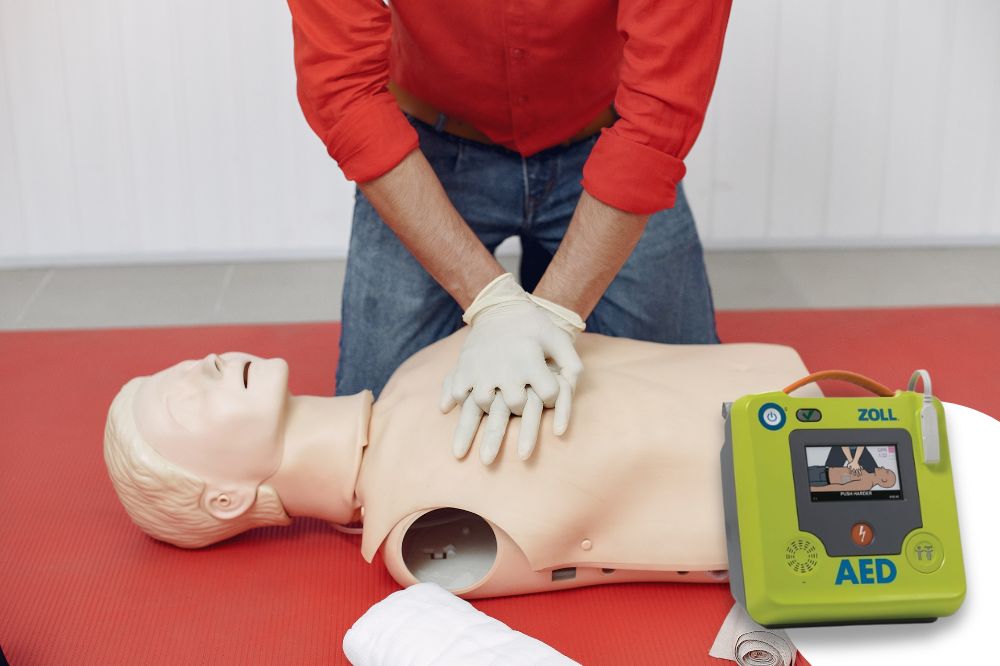
Sudden cardiac arrest can happen without warning, striking someone who appears perfectly healthy just moments before. In these critical situations, every second counts, and access to an automated external defibrillator, or AED, can mean the difference between life and death. But one question comes up again and again among people considering a home AED purchase: do you actually need formal training to use one? The short answer is no, but understanding how these devices work and why they're designed for ease of use can help ease any hesitation about having one on hand.
How AEDs Are Designed for Everyday Use
Automatic external defibrillators were intended to enable anyone to take life-saving steps in a sudden cardiac event, regardless of whether they know basic first aid or not. The latest generation of AEDs has so many features that the user will be able to do all necessary actions (correctly placing electrode pads and possibly delivering a shock according to the readings) just by hearing the instructions through the voice prompts. The machine itself detects whether the heart rhythm has changed sufficiently to warrant a shock, so that untrained people do not even have to decide on that critical medical question anymore.
The way AEDs are built today is based on a long series of investigations into really immediate defibrillation after the cardiac arrest, which dramatically increases the survival rate. As it is mostly bystanders who are the first ones to get to the casualty (they reach them minutes before the emergency medical crews arrive), the manufacturers have worked hard to make those defibrillators, if you like, so user-friendly that anyone can operate them even when under stress.
What Happens When You Turn On an AED
The moment an AED is switched on, it begins guiding the user through clear, step-by-step audio instructions. It will tell you where to place the pads on the person's chest, instruct you to stand clear while it analyzes the heart rhythm, and clearly state whether a shock is advised. If a shock is needed, the device will prompt you to press the shock button, and if not, it will guide you toward continuing CPR instead.
This inherent intelligence means there is no guessing. You do not have to know anything about the heart rate or medical judgment in split seconds. The AED will take care of that for you and only shock if necessary.
Why Training Still Has Value
Although no special training is required in the usage of an AED, there are certain advantages to obtaining a CPR and AED certification course. Such training increases one's confidence, removes hesitation in case of an emergency and ensures correct hand positioning while performing CPR, which must be done along with the usage of the AED. In fact, there are many community groups and employers across Canada that provide access to such courses.
However, lack of training should not be a hindrance to action since all studies prove that bystander intervention increases chances of survival much more than waiting for professional assistance.
The Importance of Having an AED Accessible
There's a certain comfort in knowing that a rescue machine is just a hand's reach away, such as a Heartsine AED, in your family home or in your shared community space. When a heart incident happens, you don't have to be on your way to the hospital for help. This peace of mind is even more valuable if the household includes elderly people, those with a diagnosis of heart disease, or people who want just a little more reassurance that they're prepared for emergencies. Having easy access to an AED is something that you can truly be relaxed and confident about.
Having the right place is also a crucial part of owning a machine. Putting it somewhere easy to reach, visibly marked, and common knowledge of all who live in the house ensures that it is brought when those few seconds of the emergency call count most.
What to Do While Waiting for the AED
Regardless of whether you have a defibrillator available, the crucial time before it is obtained and deployed is highly important. First and foremost, calling for emergency medical assistance must always be the initial thing done, followed by initiating chest compressions in case of an unresponsive patient who does not breathe properly. Consistent and high-quality compressions will ensure that blood is supplied to the critical organs until the AED is deployed.
The deployment of the defibrillator will allow its use simultaneously with CPR without much delay between those actions. Many of the AEDs instruct users to stop doing compressions while conducting the rhythm analysis and delivering a shock. Awareness of how this process looks will make people feel confident in performing actions and not be paralyzed in the moment of extreme stress.
Final Thoughts
Sudden cardiac arrest doesn't hold back until it's a proper moment or a really qualified person is there. Availability of an AED, together with the fact that really, basically anyone can utilize it regardless of training, empowers regular people to become life-saving first responders right at the moment they can make a difference. Shock Shop is devoted to helping Canadians have quality, user-friendly AEDs available at home, on the job and in public places in order that every cardiac emergency will not be a surprise.
Frequently Asked Questions
Can an untrained person use an AED?
Yes. The AED devices have been developed with the specific purpose of providing voice instructions and rhythm analysis to make their use easy for everyone.
Is there a need for training to use the AED?
Not really, although taking a CPR and AED training course would be very helpful indeed.
Do you need qualifications to use an AED?
No qualifications are needed. AEDs are built for public access, guiding users through each step so they can act quickly and correctly.
Can you use an AED if you're not certified?
Definitely, yes. While certification is beneficial but unnecessary, Good Samaritan Laws usually protect anyone who has the intention of helping in an emergency involving a heart attack.
What is the 3-minute rule for an AED?
This refers to the idea that survival rates from sudden cardiac arrest drop significantly with each passing minute without defibrillation, making it critical to use an AED within the first few minutes of collapse whenever possible.